Electric vs Gas Cars: The Definitive Showdown for the Next 5 Years
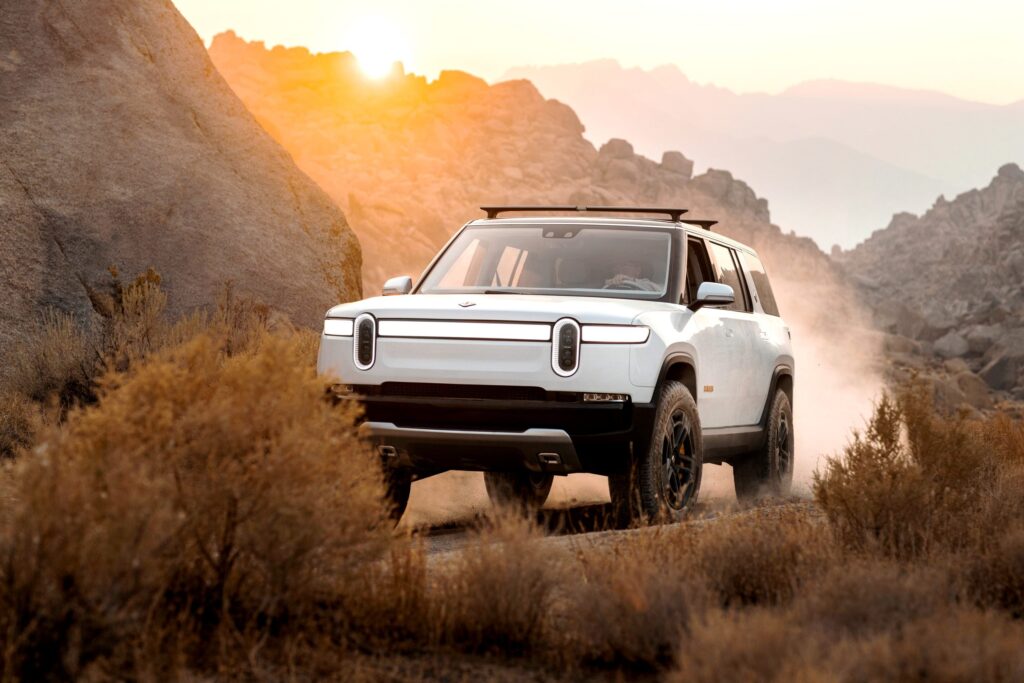
Imagine you’re sitting at a red light. To your left, a sleek electric SUV hums so quietly you almost can’t hear it. To your right, a rugged pickup truck rumbles, its exhaust puffing a faint cloud into the air.
It’s 2026, and we are officially standing at the most important crossroads in automotive history. For over a century, gas was king. But today, that quiet hum is getting louder. By 2031, the car sitting in your driveway will likely look—and fuel up—very differently.
The Current Market Landscape: Where We Stand Today
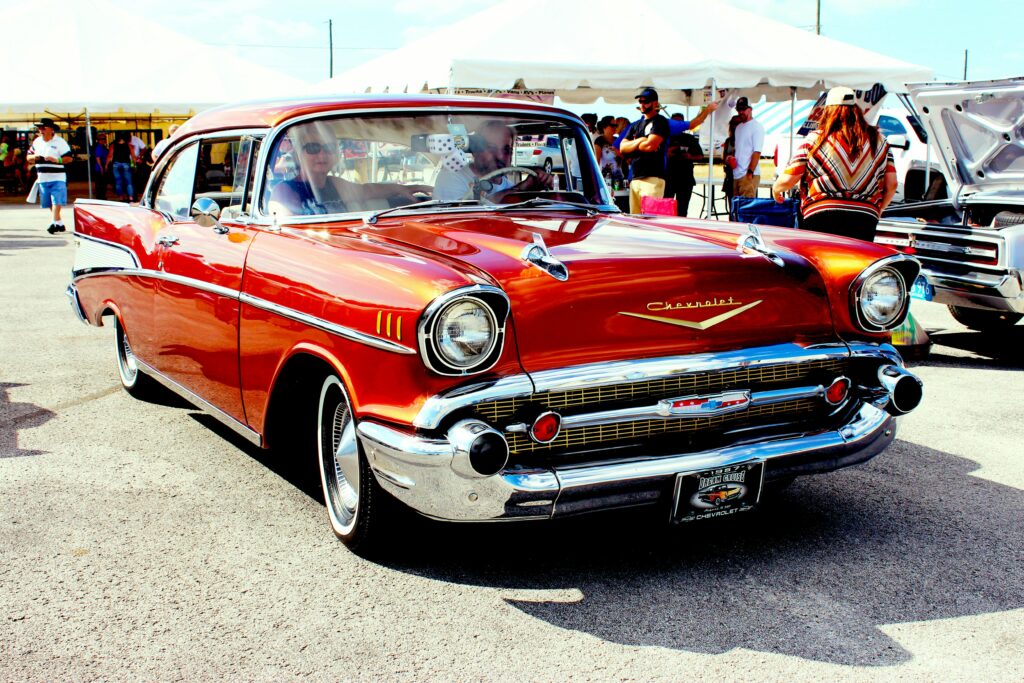
Gas cars still hold the crown in 2026. They make up about 85% of vehicles on roads worldwide. EVs grab the rest, but their share jumps fast. Think of gas cars as the steady old friend—reliable, everywhere. EVs? They’re the new kid, full of promise but needing more support. Let’s see why gas leads now and how EVs close in.
Dominance of the Internal Combustion Engine (ICE)
Gas and diesel engines power most cars today. Their grip comes from years of buildup. In the US, over 280 million gas vehicles roll along. Globally, that number tops 1.4 billion.
Established Infrastructure and Consumer Trust
Gas stations dot every corner. You pull up, fill in five minutes, and go. No app needed, no wait. This setup grew over decades. People trust it because it’s simple. A 2025 survey showed 70% of drivers pick gas cars for ease. Maintenance shops fix them quick, too. Parts cost less than EV bits. In rural spots, gas rules because chargers lag behind. Folks know what to expect—no surprises on long trips.
ICE Advantages in Specific Segments (e.g., Heavy Duty, Long Haul)
Gas trucks shine in tough jobs. They tow boats or trailers with ease. EVs struggle here; batteries drain fast under load. A Ford F-150 diesel hauls 13,000 pounds. Most EVs top out at 7,000. Refuel time matters for truckers. Gas takes minutes; charging hours. In farming or construction, gas wins. Prices start lower, too—$30,000 for a basic gas sedan vs. $40,000 for an EV. Developing countries stick with gas for these reasons. Roads there aren’t ready for big EV shifts.
The Accelerating Rise of Electric Vehicles (EVs)
EVs sell like hotcakes now. In 2025, global EV sales hit 18 million—up 40% from 2024. That’s double the 2023 number. Tesla, Rivian, and others lead the pack. Buyers see them as the future. Why? Lower running costs and fun drives. No gear shifts, just smooth acceleration. But growth needs help from rules and factories.
Sales Growth Projections and Policy Tailwinds
Experts predict EVs at 40% of new sales by 2030. In Europe, the EU bans new gas car sales after 2035. California follows with 2035 goals. China pushes EVs hard—subsidies make them cheap. US tax credits up to $7,500 sweeten deals. These rules force change. Without them, gas might linger longer. A Bloomberg report says EV market share doubles every three years. By 2031, passenger cars could tip to EVs in cities.
Manufacturer Commitment and Model Availability
Big car makers bet big on EVs. Ford plans $50 billion by 2026 for electric lines. GM aims for all EVs by 2035. VW invests $100 billion in batteries. They build dedicated EV factories, like Tesla’s Gigafactories. Models explode—over 100 EV options in 2026, from cheap Chevys to luxury Audis. Hybrids bridge the gap, but pure EVs grow. Supply chains shift to lithium and chips. This commitment means more choices soon. Gas R&D shrinks as money flows to plugs.
Core Battleground 1: Infrastructure and Range Anxiety
Ever worry you’ll run out of juice on a road trip? That’s range anxiety for EV owners. Gas cars skip it—stations everywhere. But charging networks grow. The fight? How fast and far can you go without stress. EVs must match gas ease to win.
Refueling Time vs. Recharging Speed
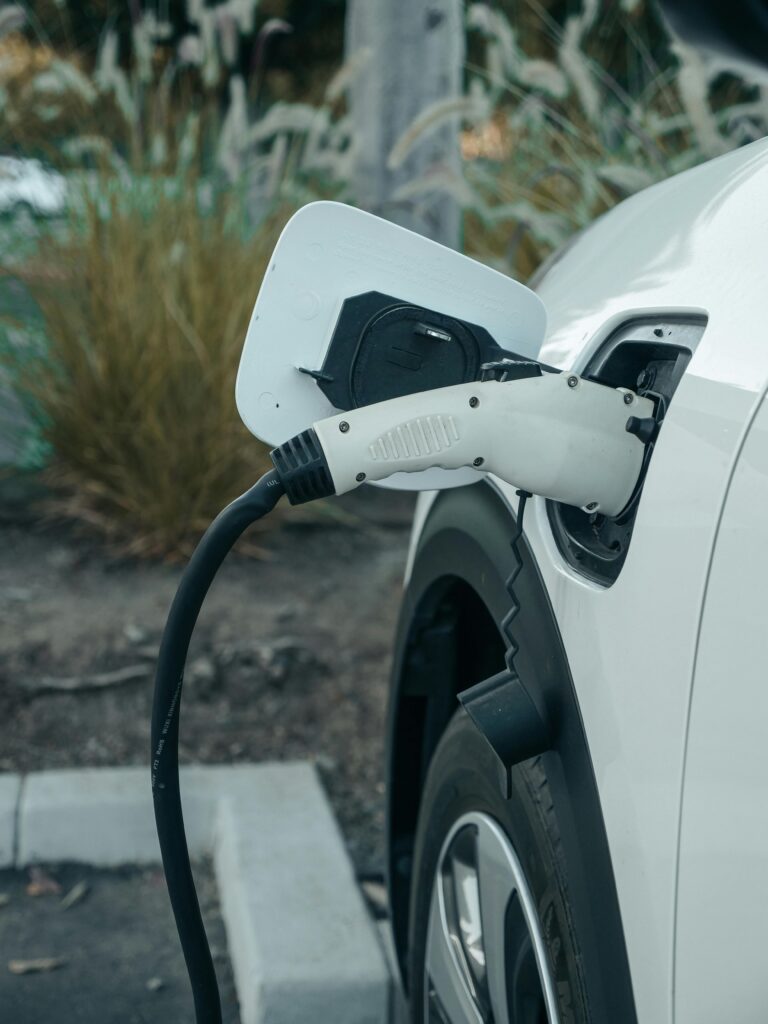
Gas fill-up? Done in minutes. EV charging varies. Home plugs take hours overnight. Fast public ones? 30 minutes for 200 miles. Still slower than gas. But tech improves. By 2028, ultra-fast chargers could add 300 miles in 10 minutes. Gas stays quick, no change needed.
Public Charging Network Expansion and Reliability
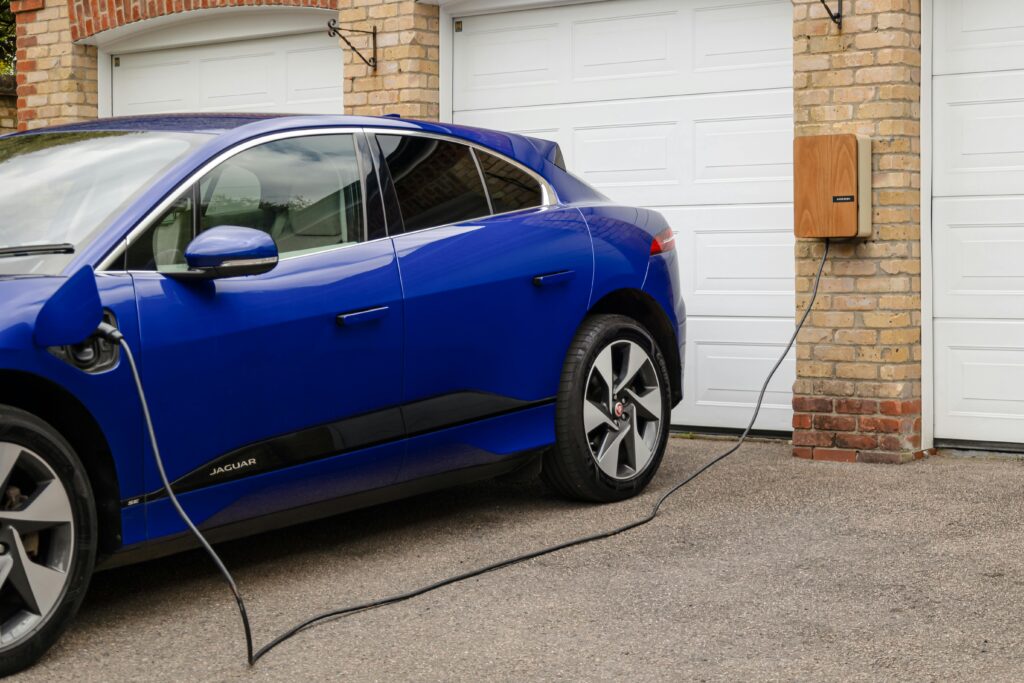
Networks boom. Tesla’s Superchargers hit 50,000 spots worldwide in 2026. Electrify America adds 800 US stations yearly. Apps like PlugShare map them out. Yet issues persist. Broken chargers frustrate—20% downtime in some areas. Lines form at busy spots. Rural gaps remain; only 10% of highways have fast plugs. Gas stations? 99% uptime. As grids upgrade, EV charging gets reliable. Think of it like phone chargers—once rare, now everywhere.
Battery Density and Next-Generation Chemistry
Today’s EVs go 300 miles per charge on average. Models like the Hyundai Ioniq 5 hit 350. Gas tanks? 400 miles easy, every time. Batteries get better. Solid-state tech promises 500 miles by 2029, with five-minute charges. Costs drop—batteries fell 20% in price last year. Lithium-ion rules now, but sodium batteries cut rare metals. Range anxiety fades as packs hold more power. Compare to gas: consistent, but dirty.
Core Battleground 2: Total Cost of Ownership (TCO)
Sticker shock hits EVs hard. A base gas Honda Civic? $25,000. Tesla Model 3? $40,000. But over five years, costs flip. EVs save on fuel and fixes. Let’s crunch numbers for electric vs gas cars total cost.
Purchase Price vs. Operational Savings
Upfront, gas wins. But incentives help EVs. Federal credits knock $7,500 off. States add more. By 2028, battery prices drop 30%, say analysts. Then, EVs match gas prices. A Consumer Reports study shows EV TCO 10% lower after three years.
Upfront Cost Parity Projections
Falling batteries drive this. In 2020, packs cost $137 per kWh. Now? $100. By 2030, under $60. That means cheaper cars. Ford’s Mustang Mach-E starts at $43,000, down from $50,000 two years ago. Gas models hold steady. With rebates, you pay less for EVs now in many spots. Parity hits passenger cars by 2027, trucks later.
Maintenance, Fueling, and Depreciation Analysis
EVs need less care. No oil changes, fewer brakes. Brakes last 100,000 miles vs. 50,000 on gas. Annual savings? $500 to $1,000. Electricity costs half of gas—$0.04 per mile vs. $0.12. Gas prices swing; electricity stays flat. Depreciation? EVs hold value better now. A 2022 Tesla resells for 70% of original. Gas cars? 50%. Over five years, an EV commuter saves $5,000 total.
Core Battleground 3: Environmental Impact and Sustainability
Gas cars spew tailpipe fumes. EVs? Cleaner, but not perfect. The real test: full life from factory to scrap. EVs win long-term, but mining hurts. How green is your ride?
Lifecycle Emissions: Well-to-Wheel Comparison
Burn gas, and CO2 flows direct. EVs shift emissions to power plants. A Union of Concerned Scientists report says EVs cut emissions 50% over life vs. gas. Even with dirty grids.
Battery Manufacturing and Raw Material Sourcing
Batteries use lithium, cobalt. Mining scars land, uses water. One EV battery equals 500 gas cars in upfront emissions. But EVs offset that in two years of driving. Recycling grows—90% materials reusable by 2030. Gas cars? Refining oil pollutes rivers. Studies show EV lifecycle emissions half of ICE over 150,000 miles.
Grid Decarbonization and Charging Sources
Clean grids make EVs shine. Solar and wind power 40% of US electricity in 2026. EVs on renewables? Near-zero emissions. Gas always burns fossils. In coal-heavy areas like parts of India, EVs lag. But grids green up fast—50% clean by 2030 worldwide. Charge at night with cheap, green power. It’s like trading a smoky campfire for solar panels.
The Verdict: Navigating the Next Five Years (2026-2031)
We weighed infrastructure, costs, and green factors. Gas holds niches, but EVs surge. By 2031, expect a split market. Passenger cars go electric; trucks stay gas longer. What tips the scale?
Predictive Scenarios for Market Share
Market share shifts big. EVs could hit 60% of new sales by 2031.
Scenario A: EV Dominance in Passenger Cars
Fast charging spreads. Batteries breakthrough. Subsidies continue. Cities ban gas sales. Then, EVs take 70% of sedans and SUVs. Daily drivers love zero gas bills. Range hits 400 miles standard. You plug in at work or home.
Scenario B: ICE Endurance in Niche and Developing Markets
High costs slow EV rollout in poor countries. Trucks need gas power. Performance fans want V8 rumble. Gas lingers at 40% globally. Hybrids fill gaps. Rural areas stick with pumps.
Conclusion: The Inevitable Shift Requires Smart Choices
Electric vs gas cars boils down to change on the way. Gas offers trust and reach today. EVs promise savings, quiet rides, and cleaner air. By 2031, EVs lead new sales, thanks to rules, tech, and costs. Infrastructure catches up, easing worries. Gas persists in heavy work.
For you, weigh your needs. City commute? Go EV—save $4,000 yearly on fuel. Long hauls? Stick with gas now. Fleet managers, test hybrids first. Check local rebates. The shift happens, so plan ahead. Drive smart, pick what fits your road. What will you choose?
For a detailed comparison of Tesla and Rivian’s latest models, check out our post Tesla vs Rivian 2026: Who Leads the EV Revolution?